

Step 2 of 3
Choose design
29 options in Perforated Sheet — Brass — pick one, then choose material.
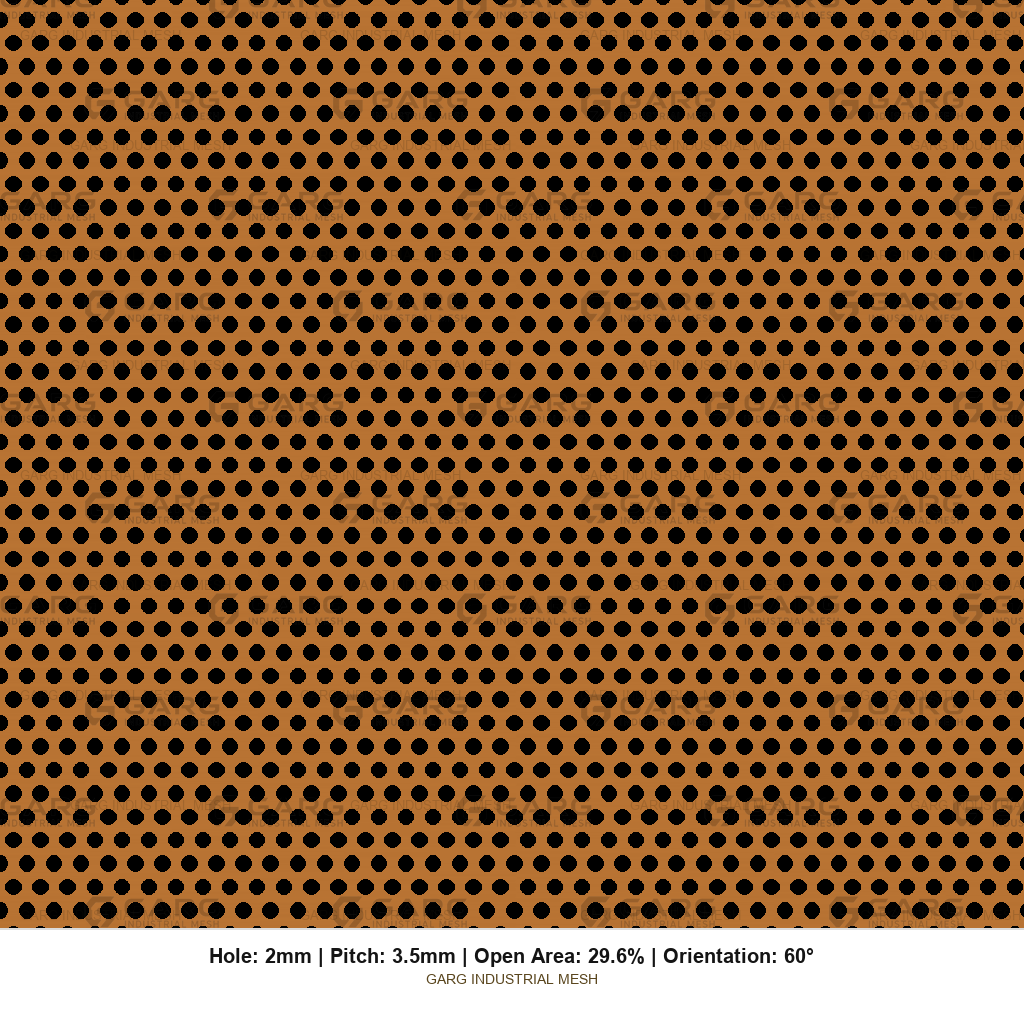
Perforated 01
Round 60° · Ø2 / pitch 3.5 · OA 29.6%
Material types
- Brass
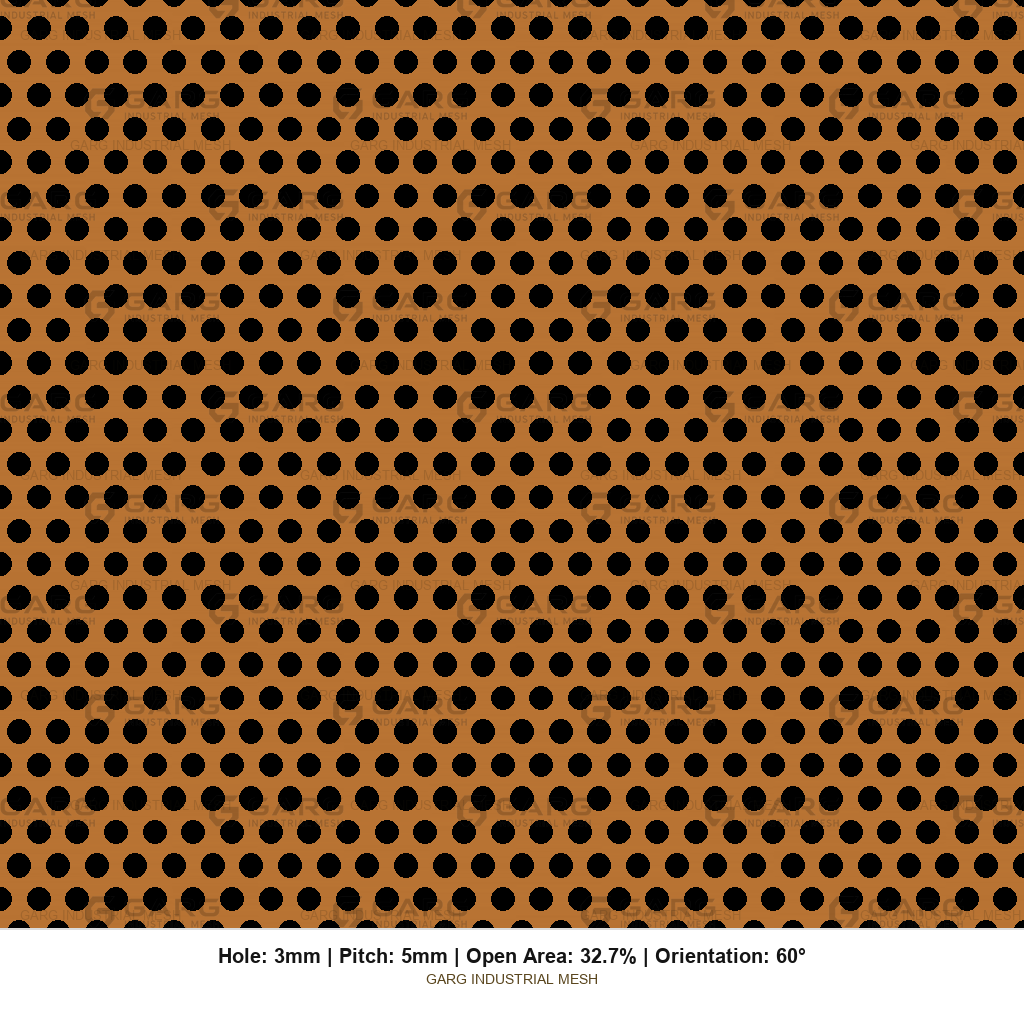
Perforated 02
Round 60° · Ø3 / pitch 5 · OA 32.7%
Material types
- Brass
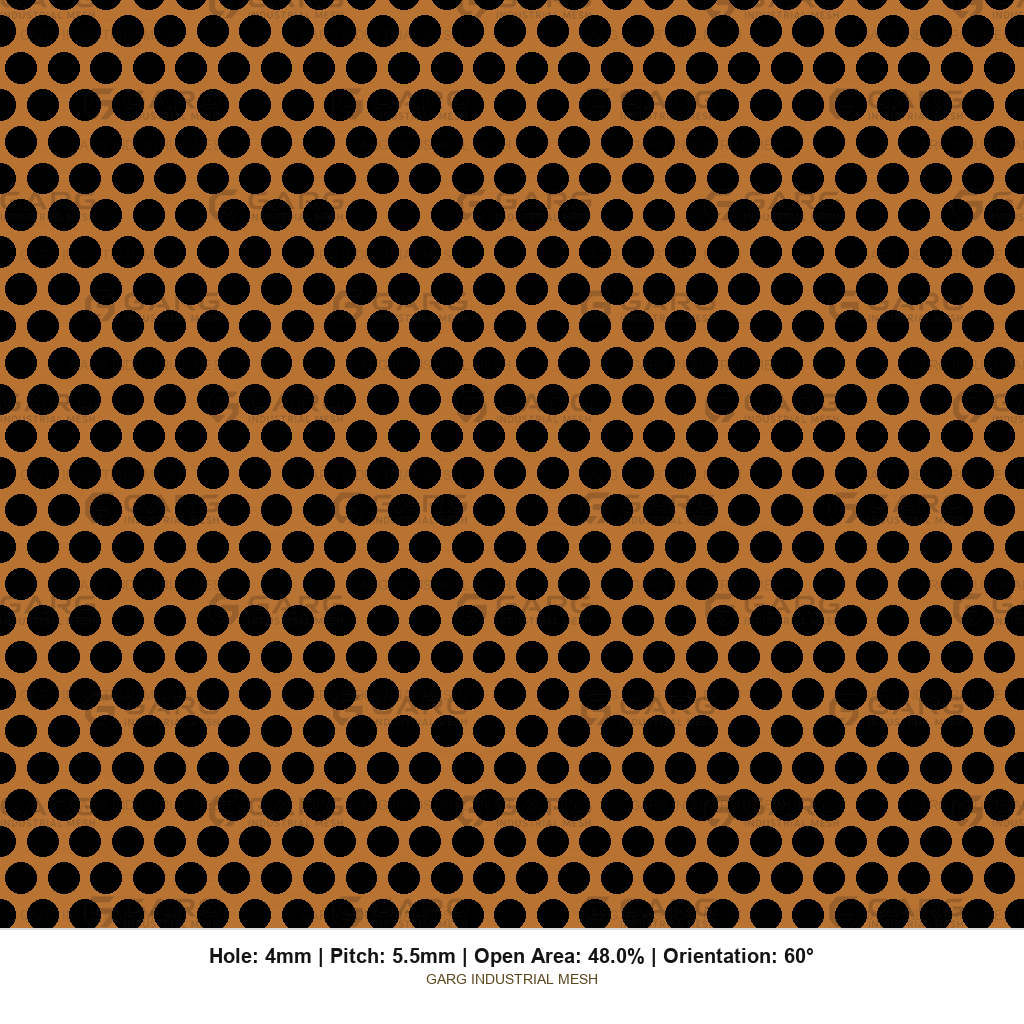
Perforated 03
Round 60° · Ø4 / pitch 5.5 · OA 48%
Material types
- Brass
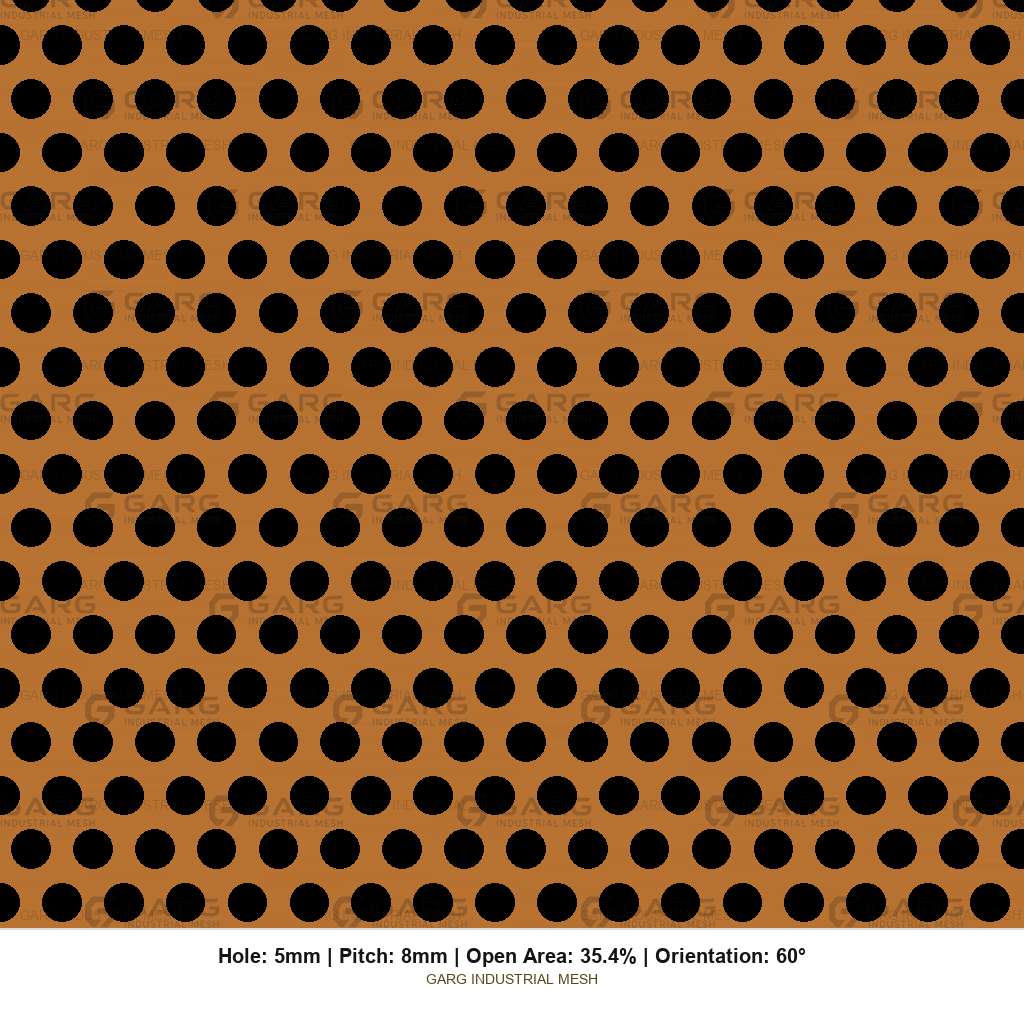
Perforated 04
Round 60° · Ø5 / pitch 8 · OA 35.4%
Material types
- Brass
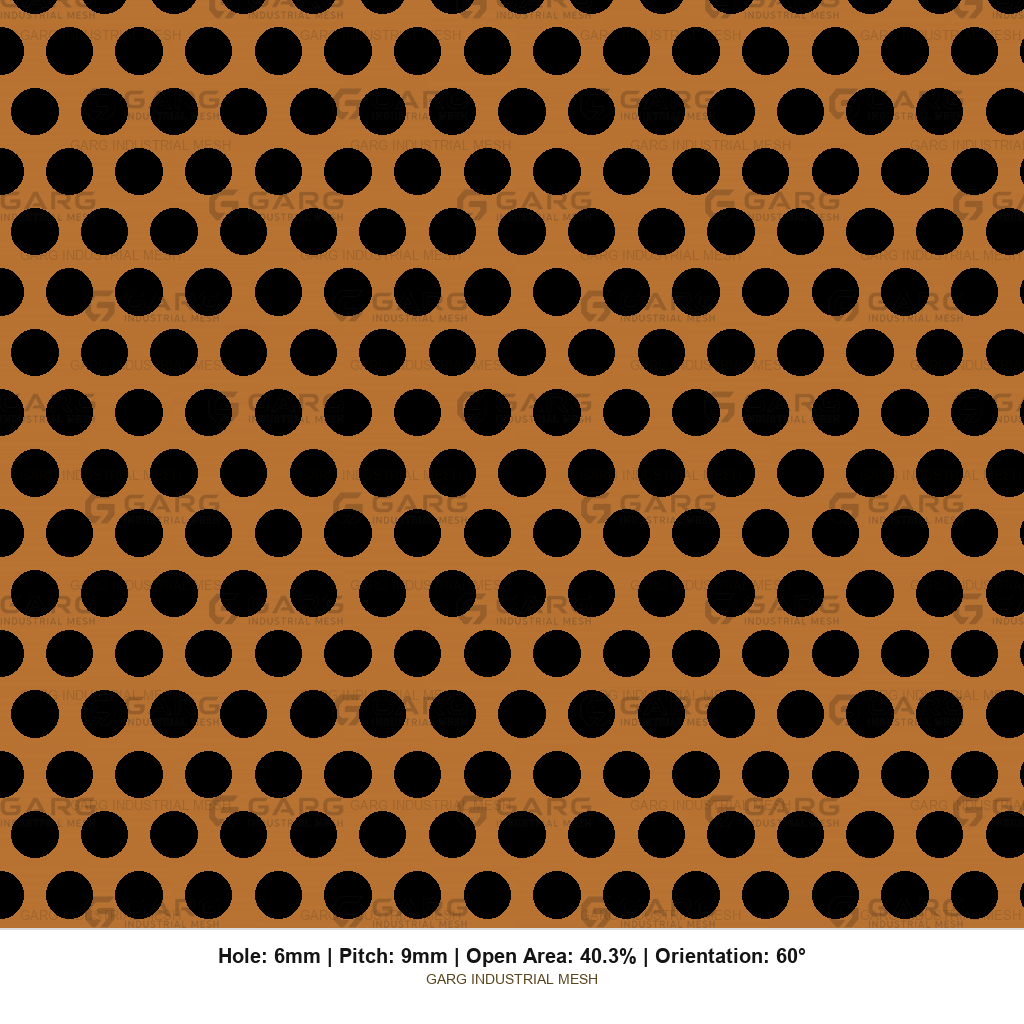
Perforated 05
Round 60° · Ø6 / pitch 9 · OA 40.3%
Material types
- Brass
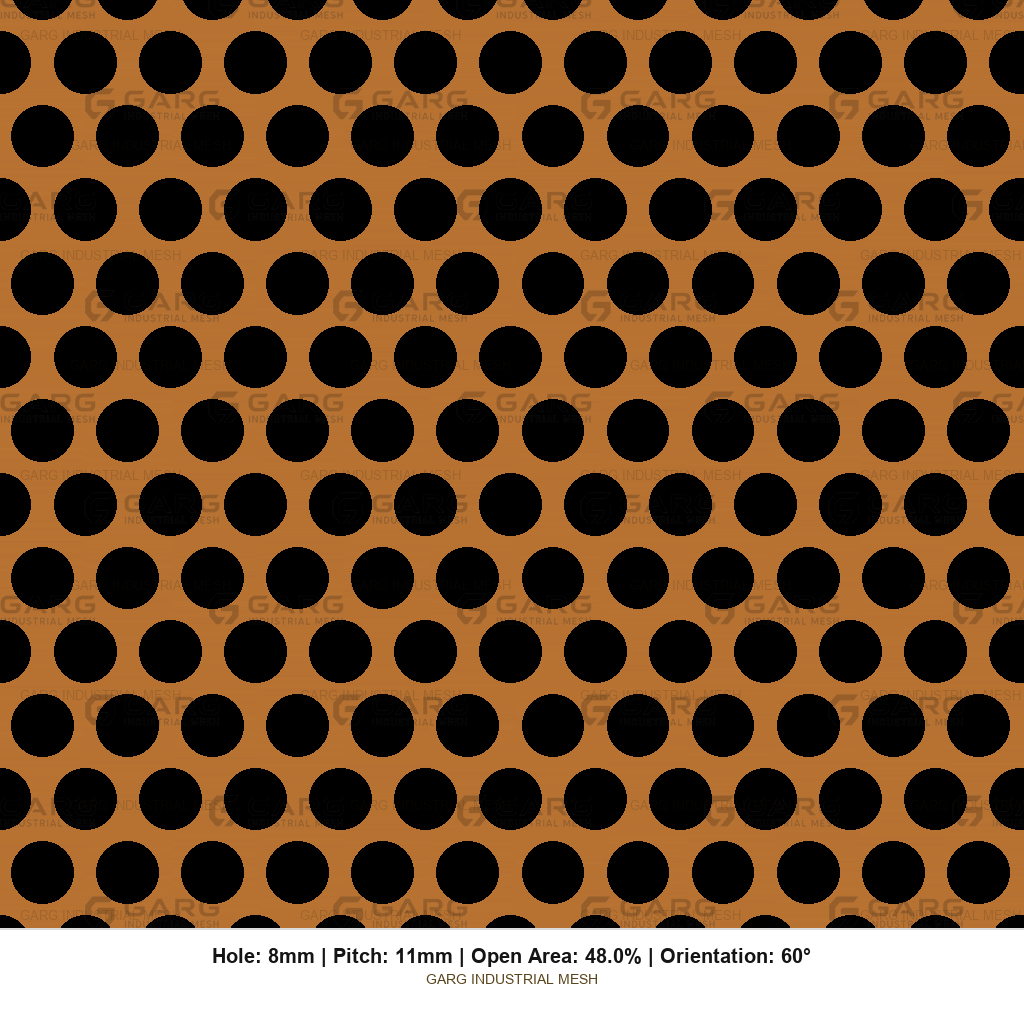
Perforated 06
Round 60° · Ø8 / pitch 11 · OA 48%
Material types
- Brass
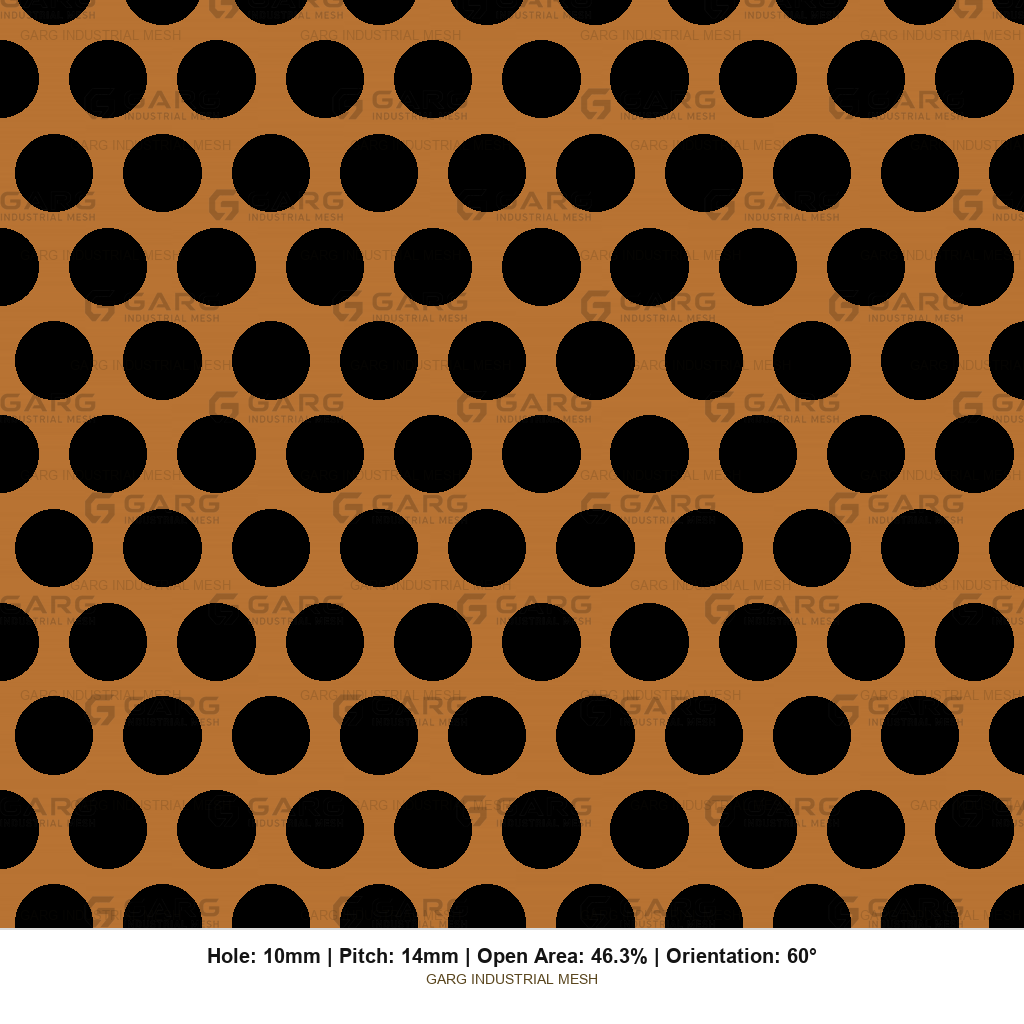
Perforated 07
Round 60° · Ø10 / pitch 14 · OA 46.3%
Material types
- Brass
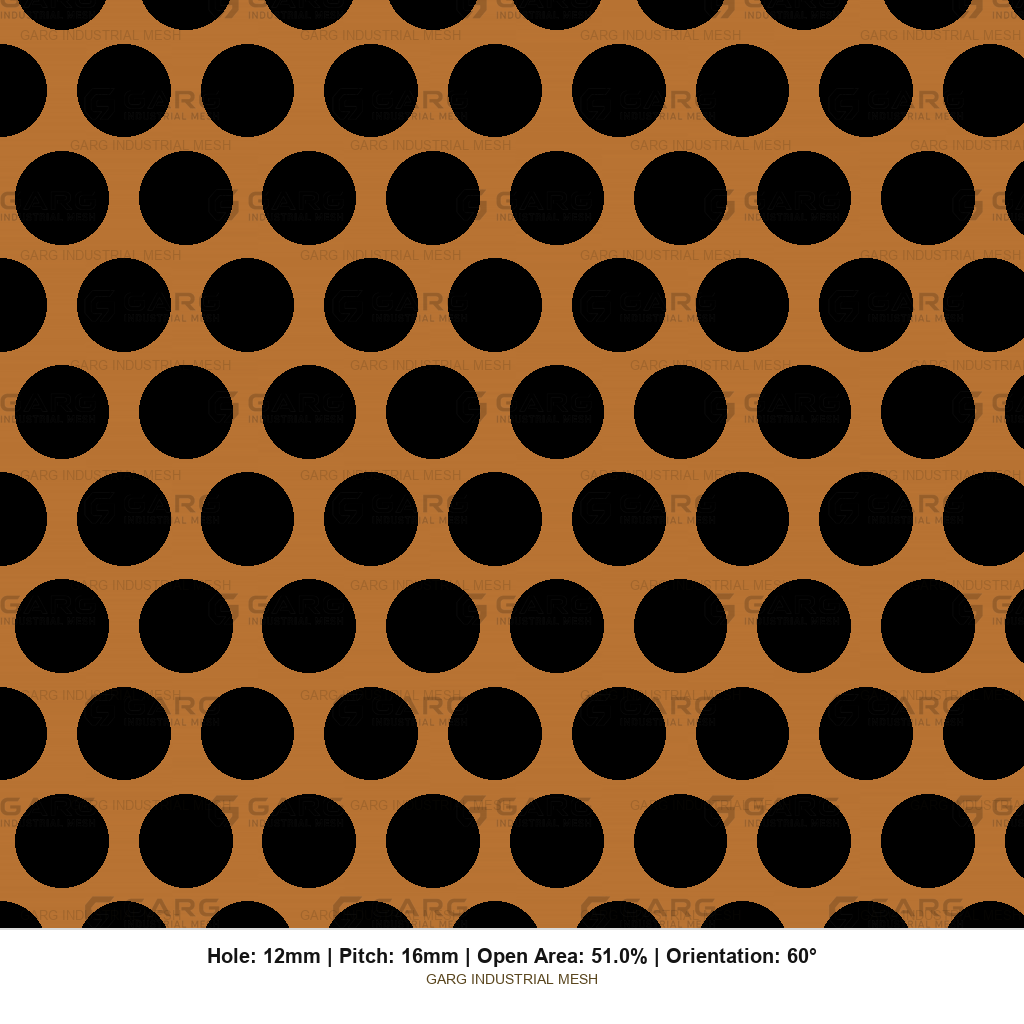
Perforated 08
Round 60° · Ø12 / pitch 16 · OA 51%
Material types
- Brass
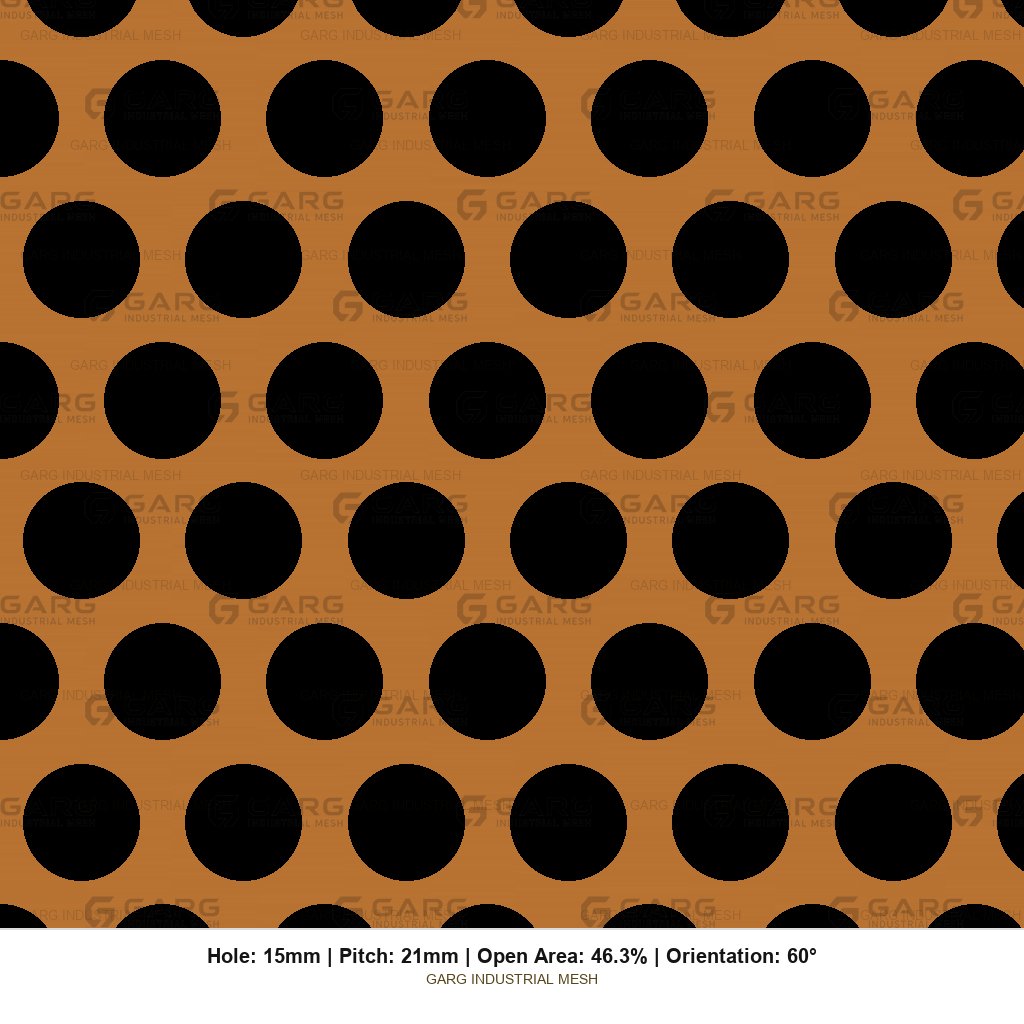
Perforated 09
Round 60° · Ø15 / pitch 21 · OA 46.3%
Material types
- Brass
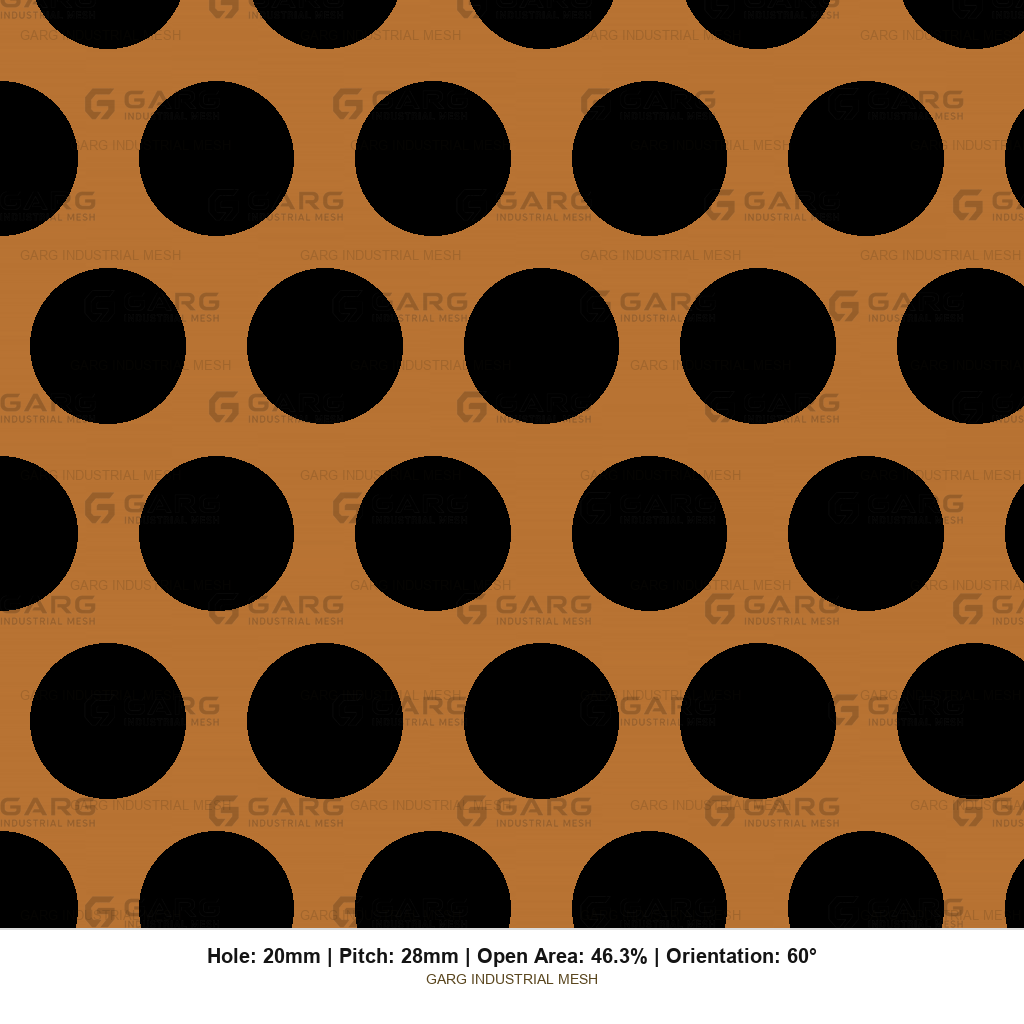
Perforated 10
Round 60° · Ø20 / pitch 28 · OA 46.3%
Material types
- Brass
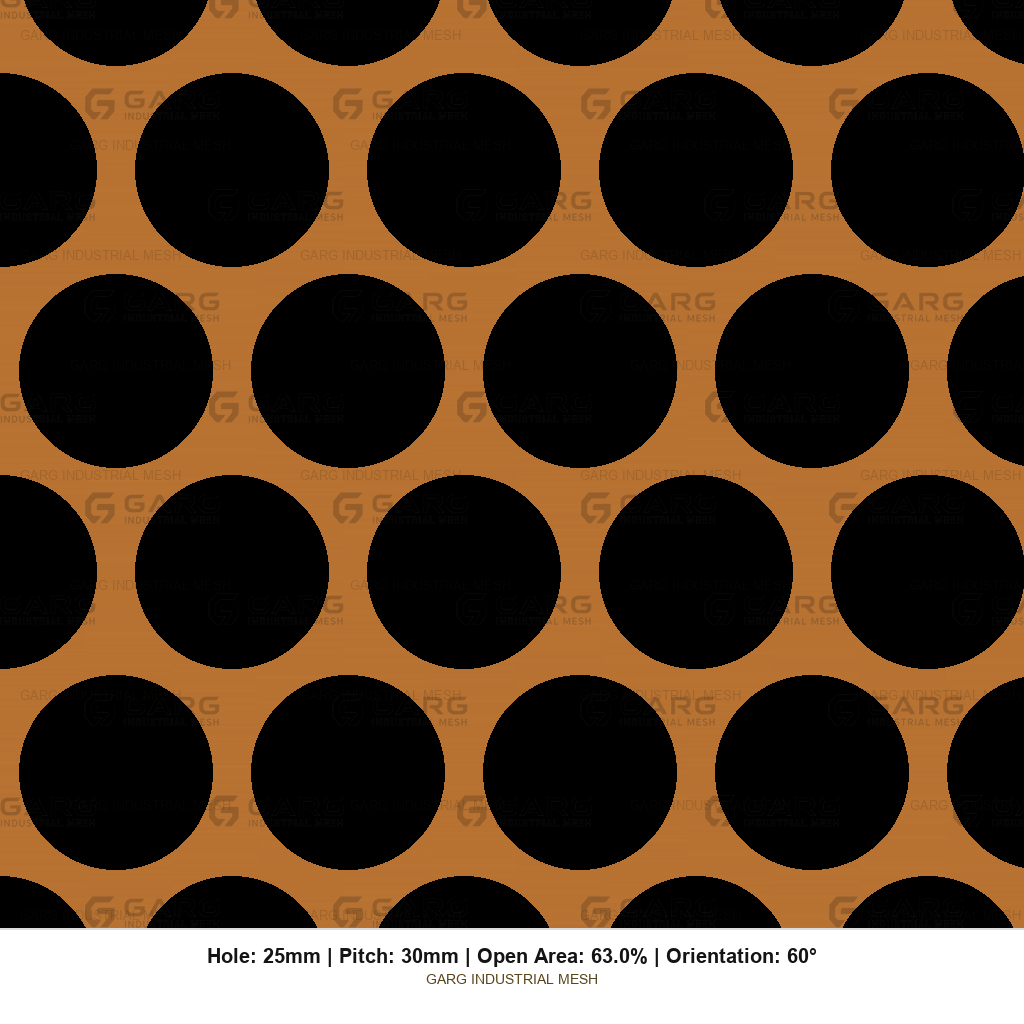
Perforated 11
Round 60° · Ø25 / pitch 30 · OA 63%
Material types
- Brass
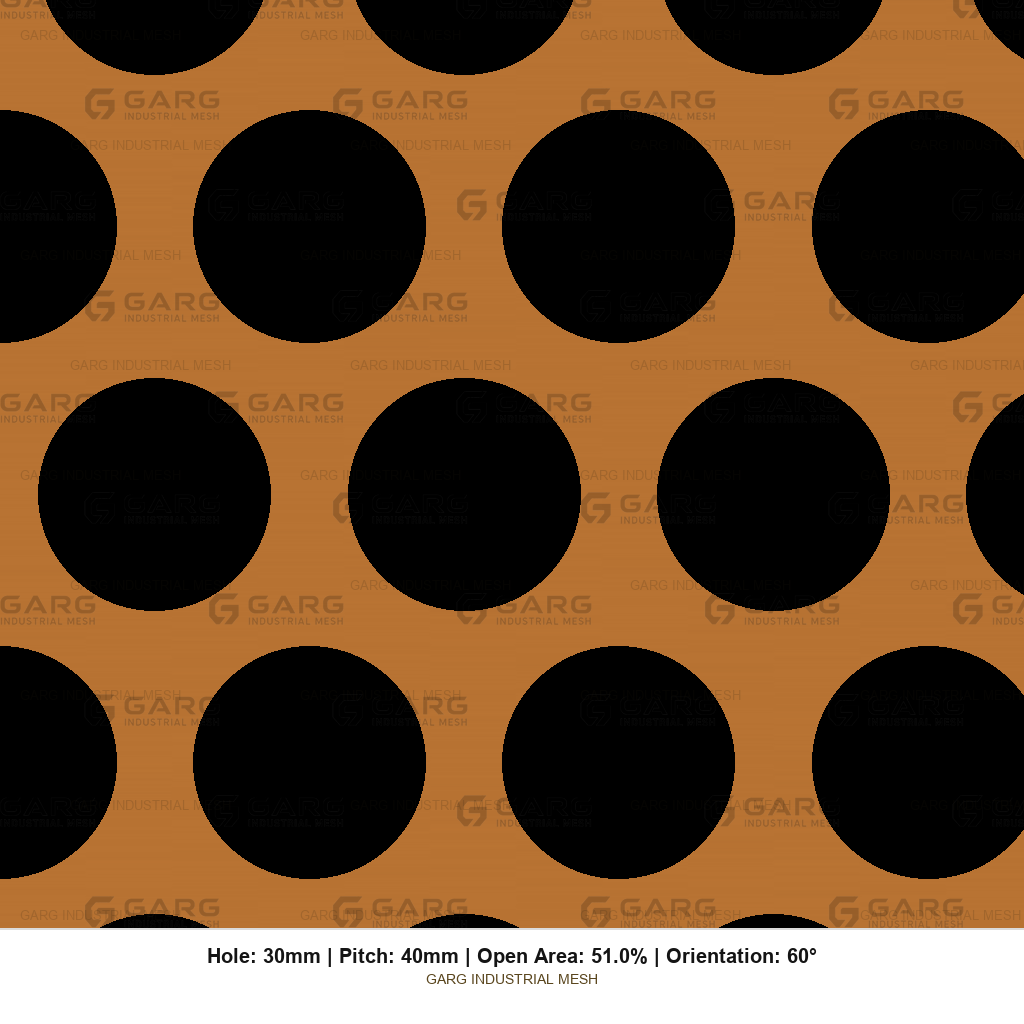
Perforated 12
Round 60° · Ø30 / pitch 40 · OA 51%
Material types
- Brass
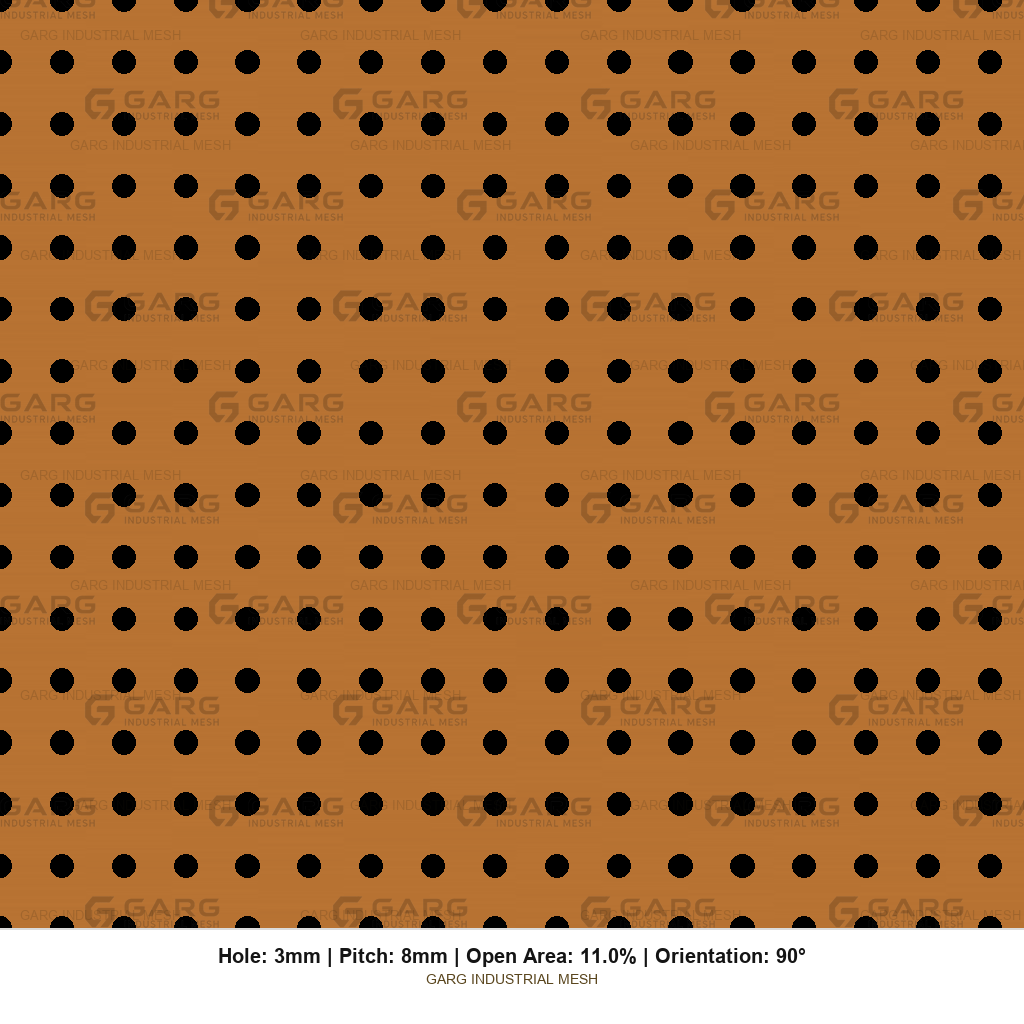
Perforated 13
Round 90° · Ø3 / pitch 8 · OA 11%
Material types
- Brass
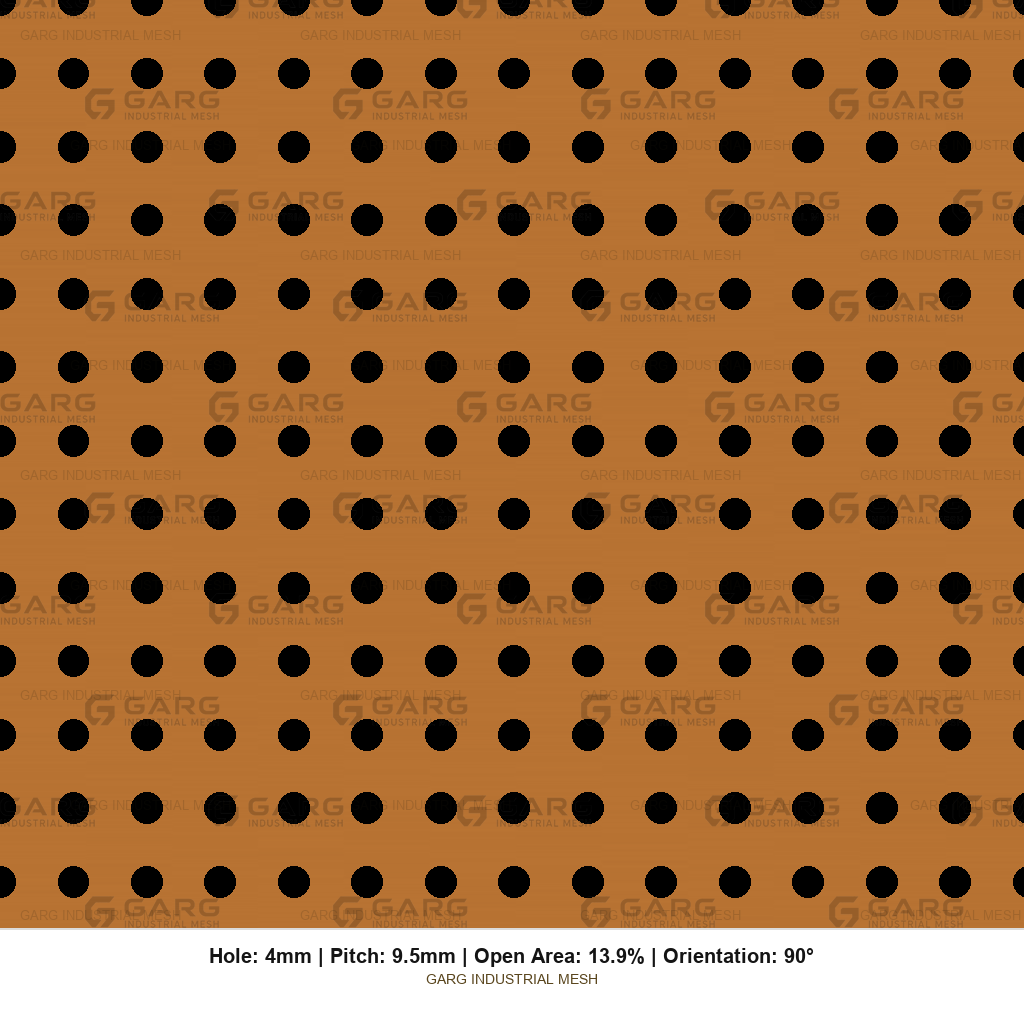
Perforated 14
Round 90° · Ø4 / pitch 9.5 · OA 13.9%
Material types
- Brass
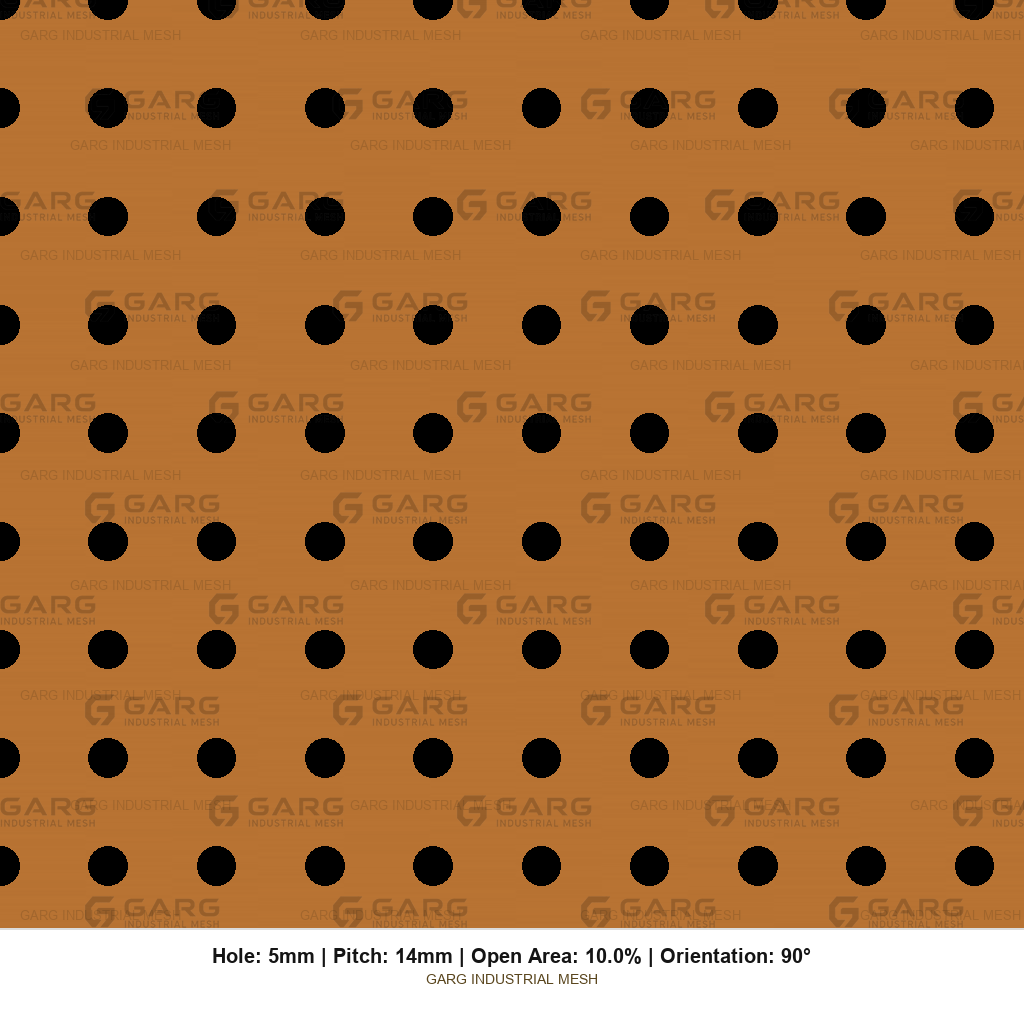
Perforated 15
Round 90° · Ø5 / pitch 14 · OA 10%
Material types
- Brass
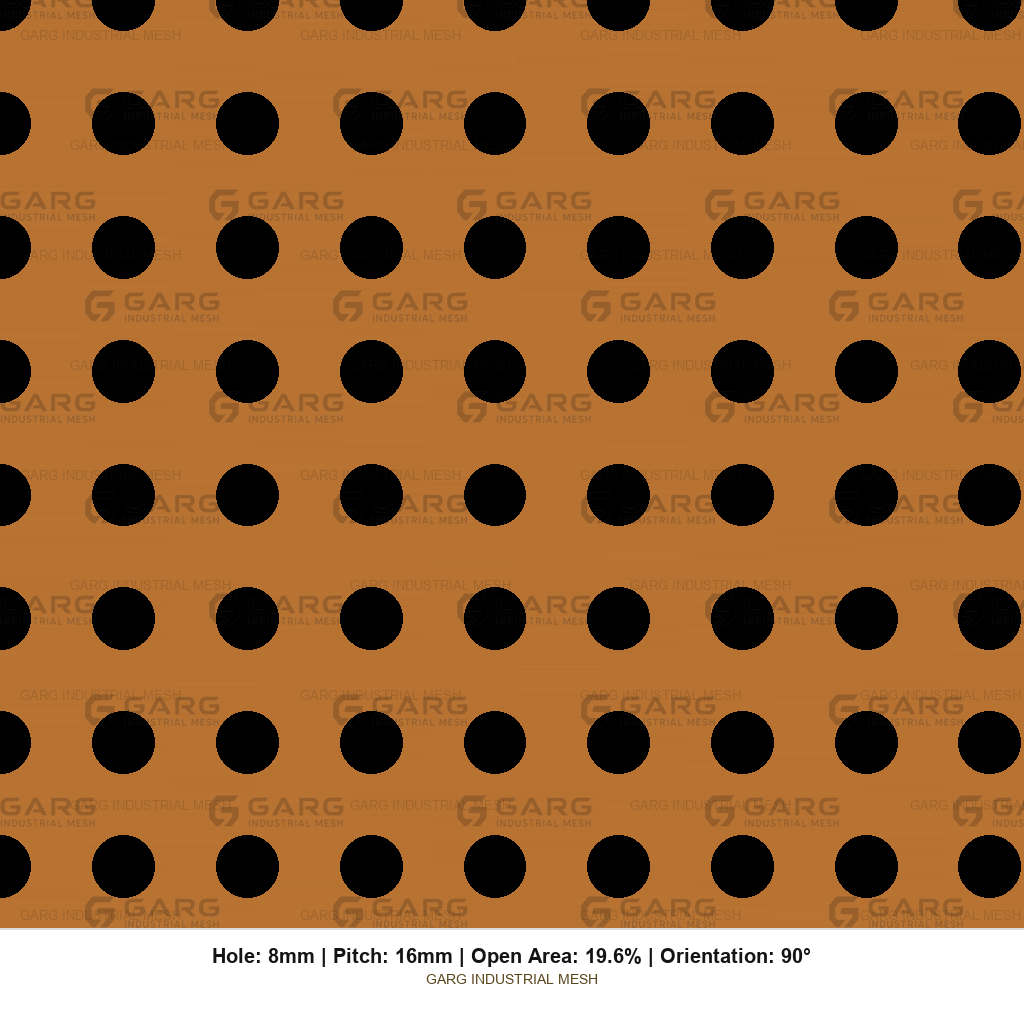
Perforated 16
Round 90° · Ø8 / pitch 16 · OA 19.6%
Material types
- Brass
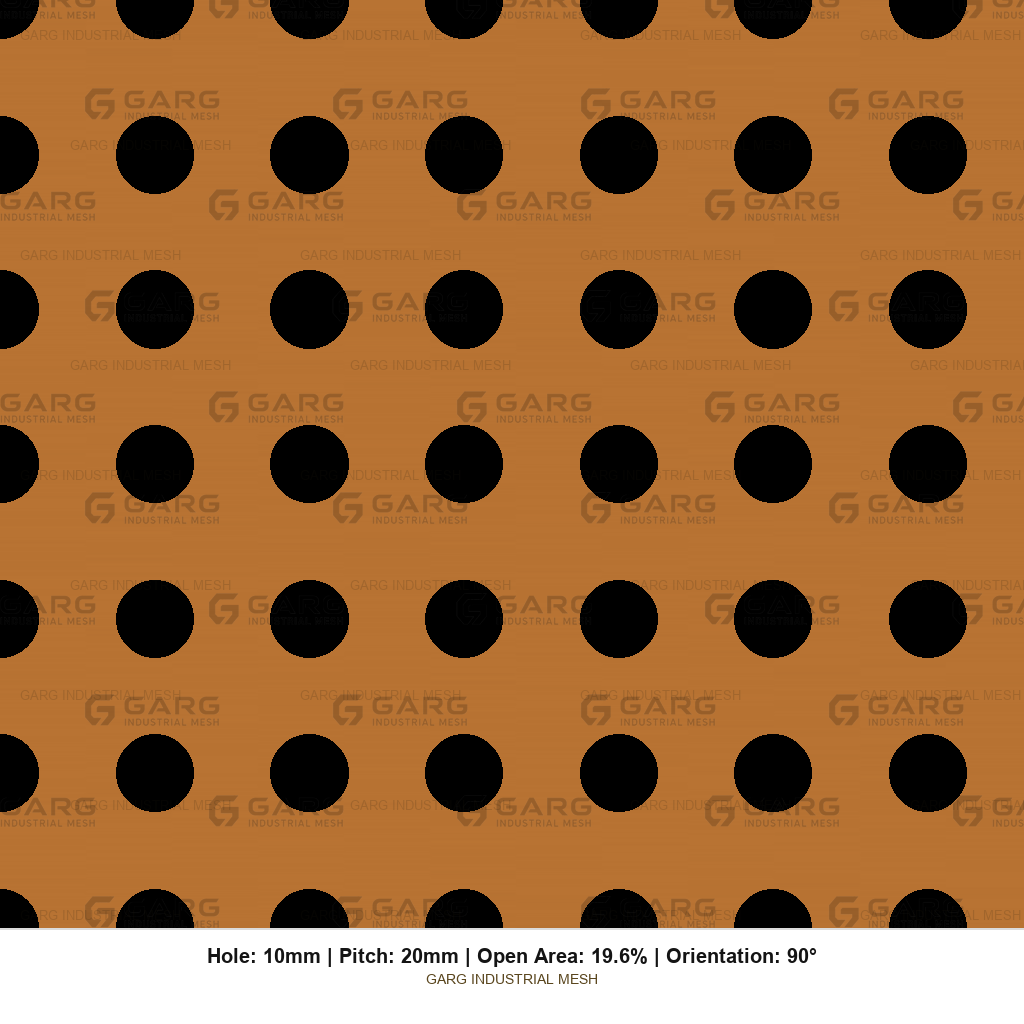
Perforated 17
Round 90° · Ø10 / pitch 20 · OA 19.6%
Material types
- Brass
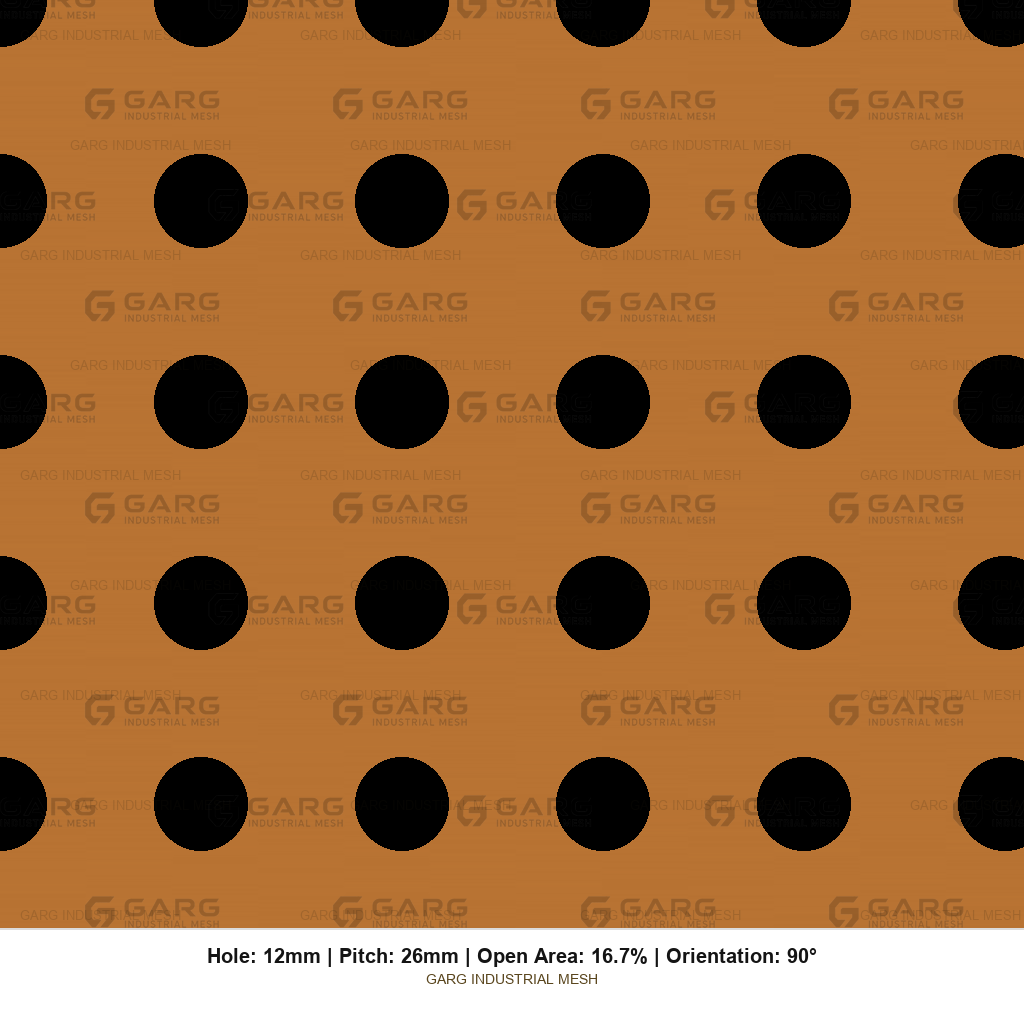
Perforated 18
Round 90° · Ø12 / pitch 26 · OA 16.7%
Material types
- Brass
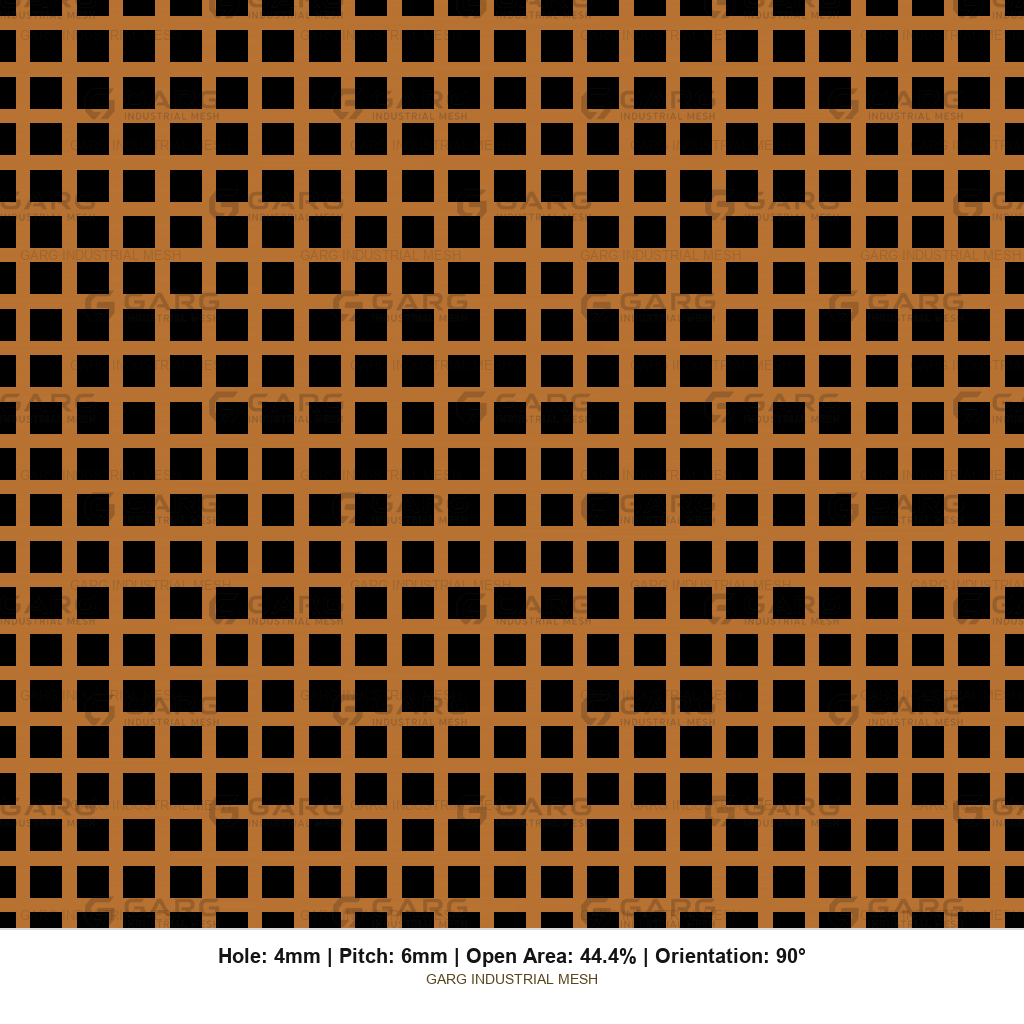
Perforated 19
Square 90° · 4 / pitch 6 · OA 44.4%
Material types
- Brass
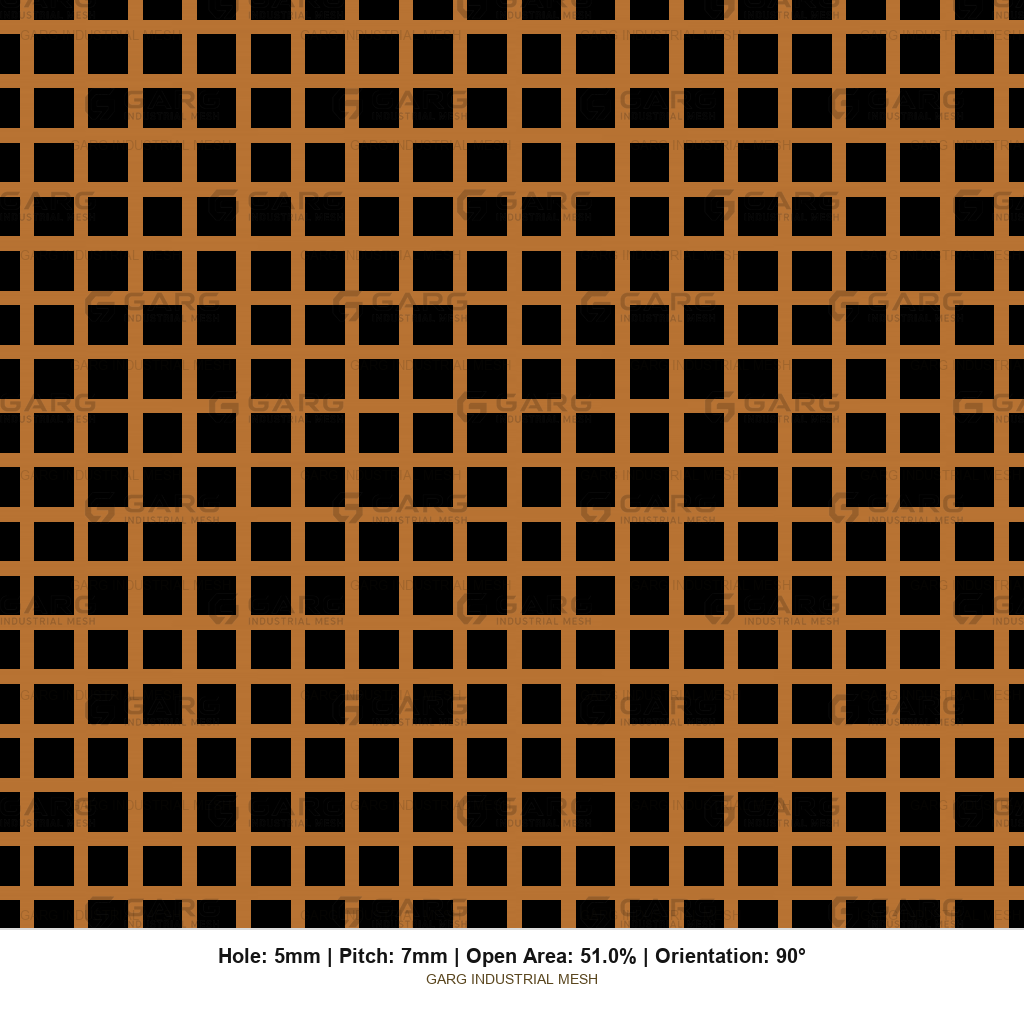
Perforated 20
Square 90° · 5 / pitch 7 · OA 51%
Material types
- Brass
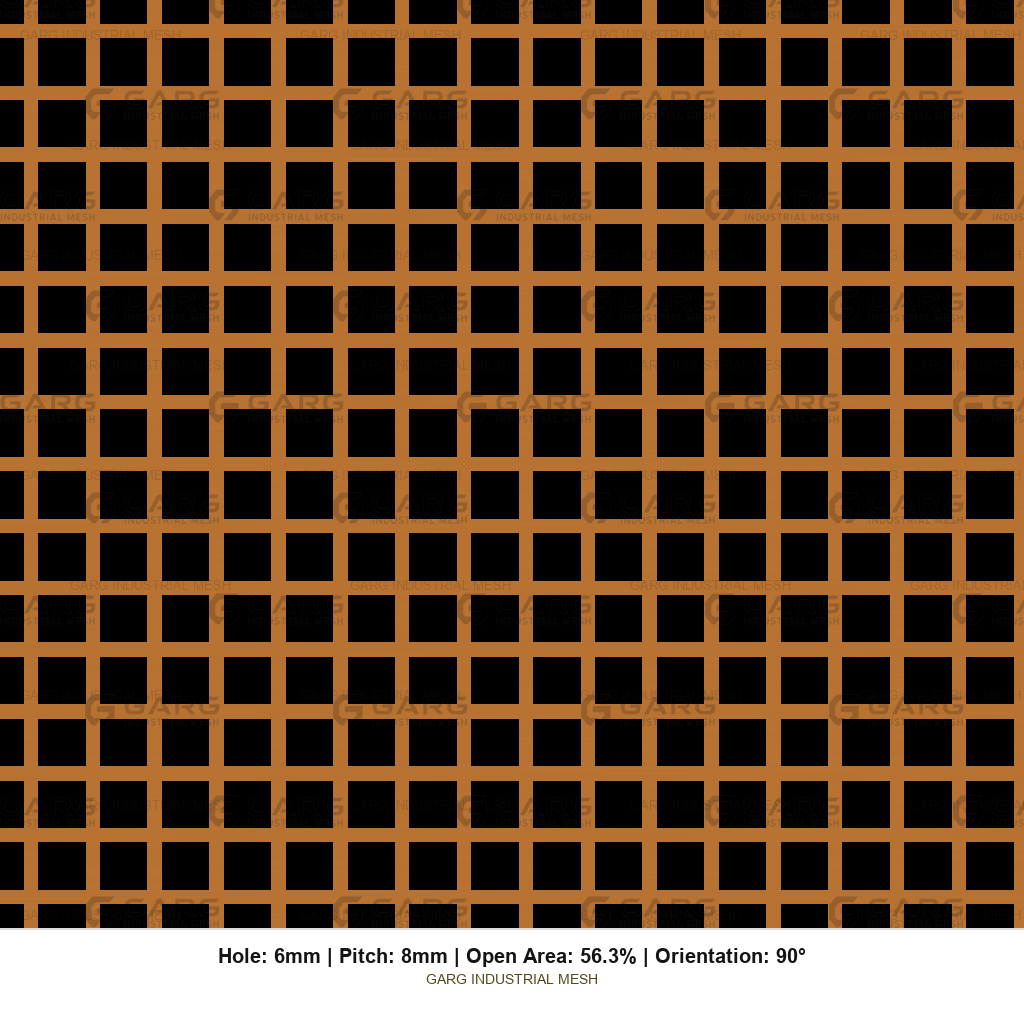
Perforated 21
Square 90° · 6 / pitch 8 · OA 56.3%
Material types
- Brass
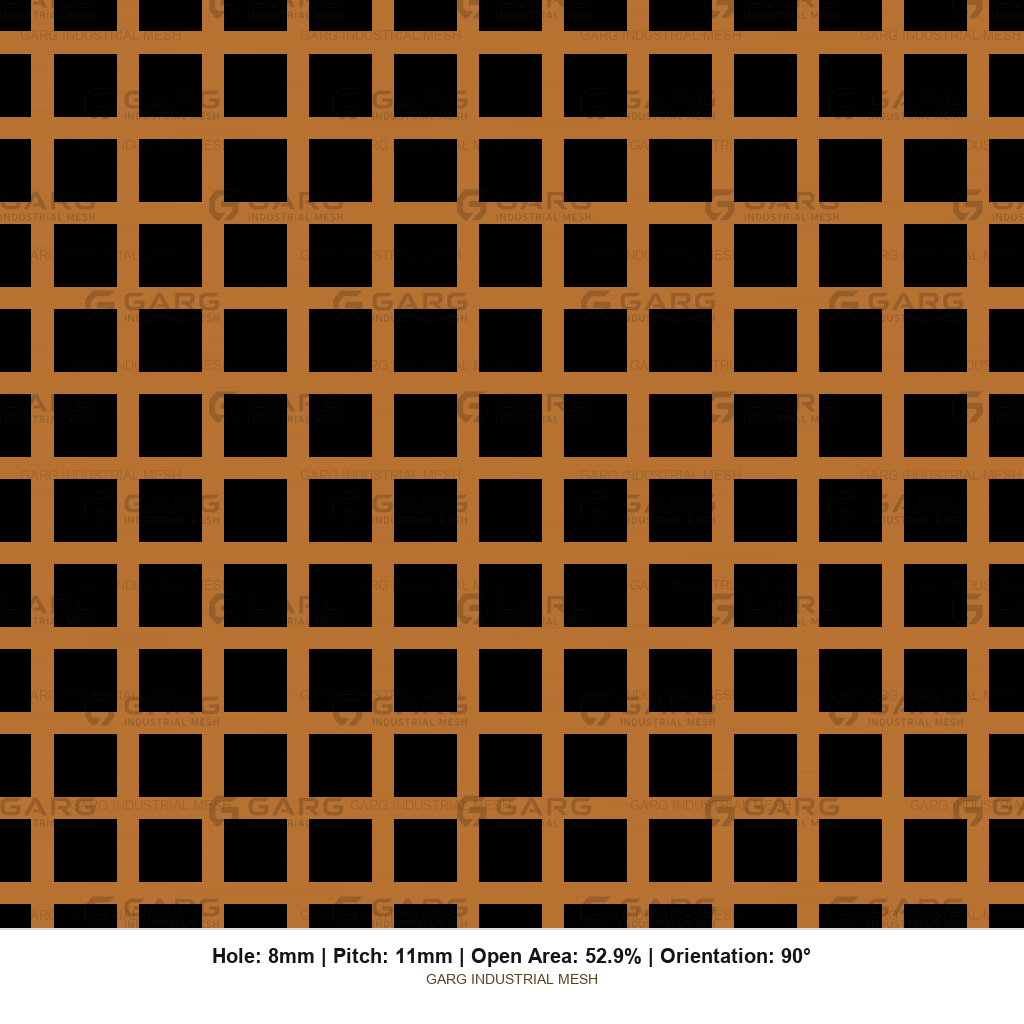
Perforated 22
Square 90° · 8 / pitch 11 · OA 52.9%
Material types
- Brass
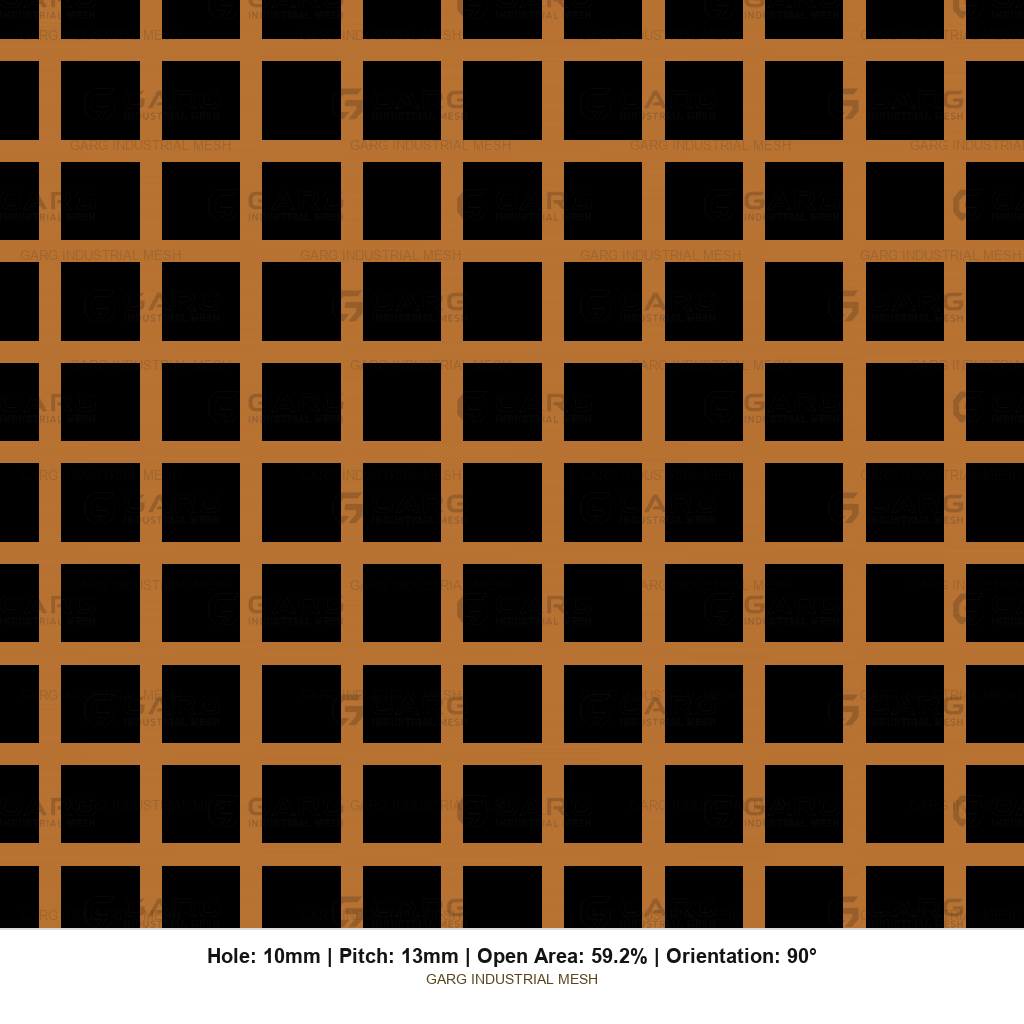
Perforated 23
Square 90° · 10 / pitch 13 · OA 59.2%
Material types
- Brass
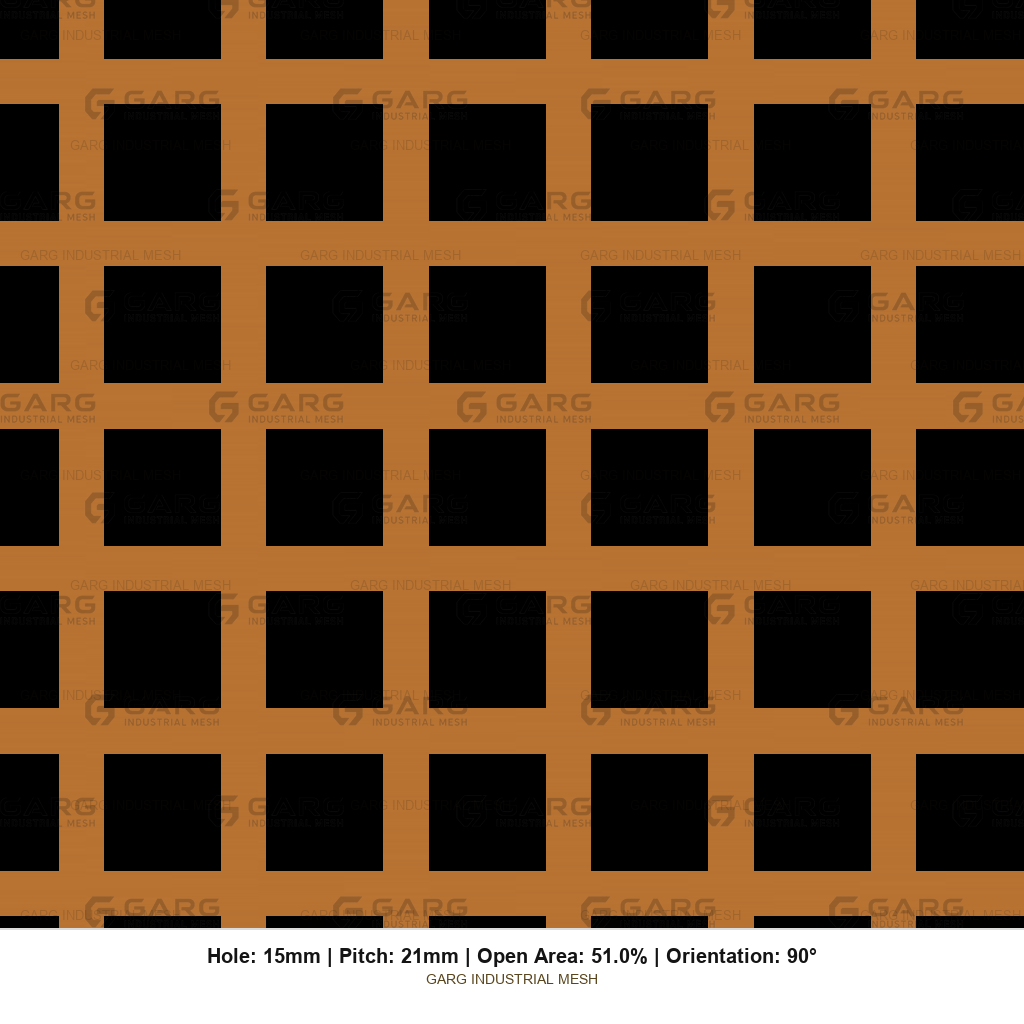
Perforated 24
Square 90° · 15 / pitch 21 · OA 51%
Material types
- Brass
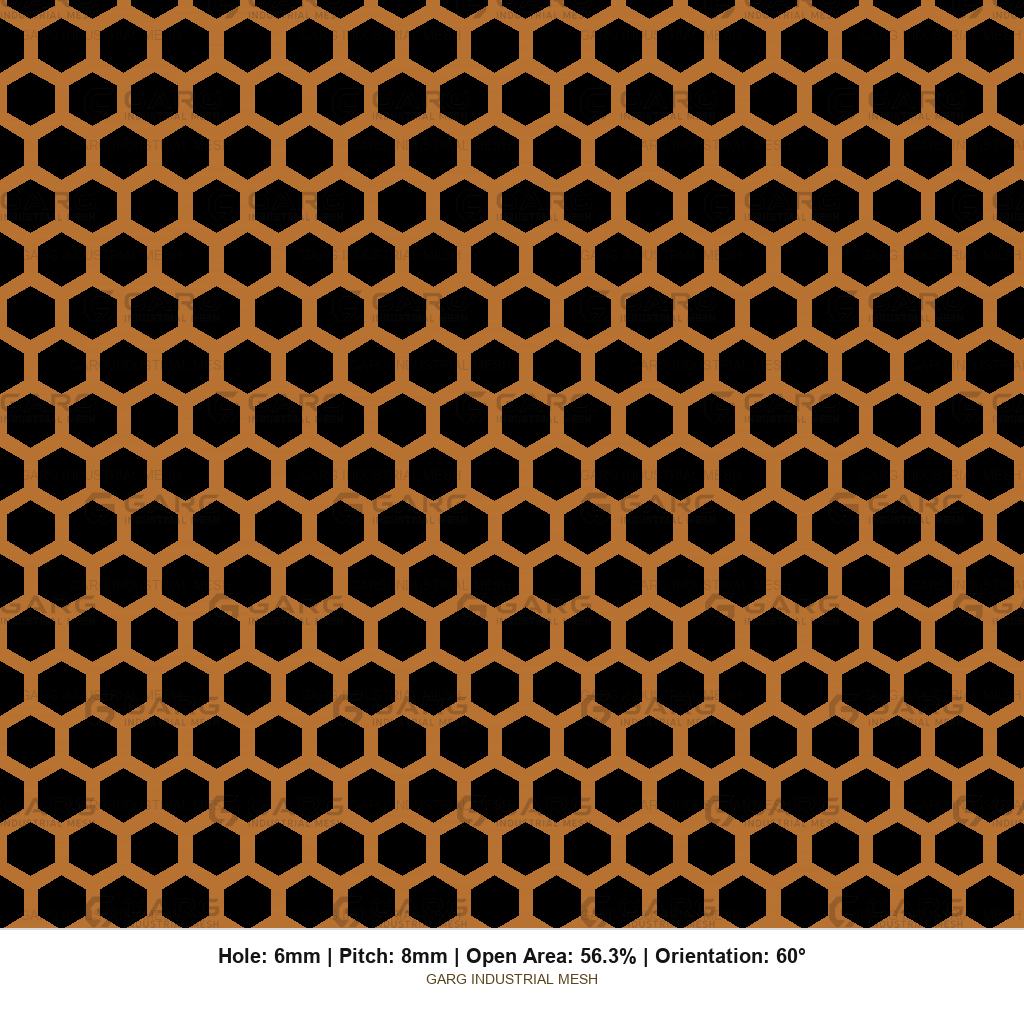
Perforated 25
Hexagonal 60° · 6 / pitch 8 · OA 56.3%
Material types
- Brass
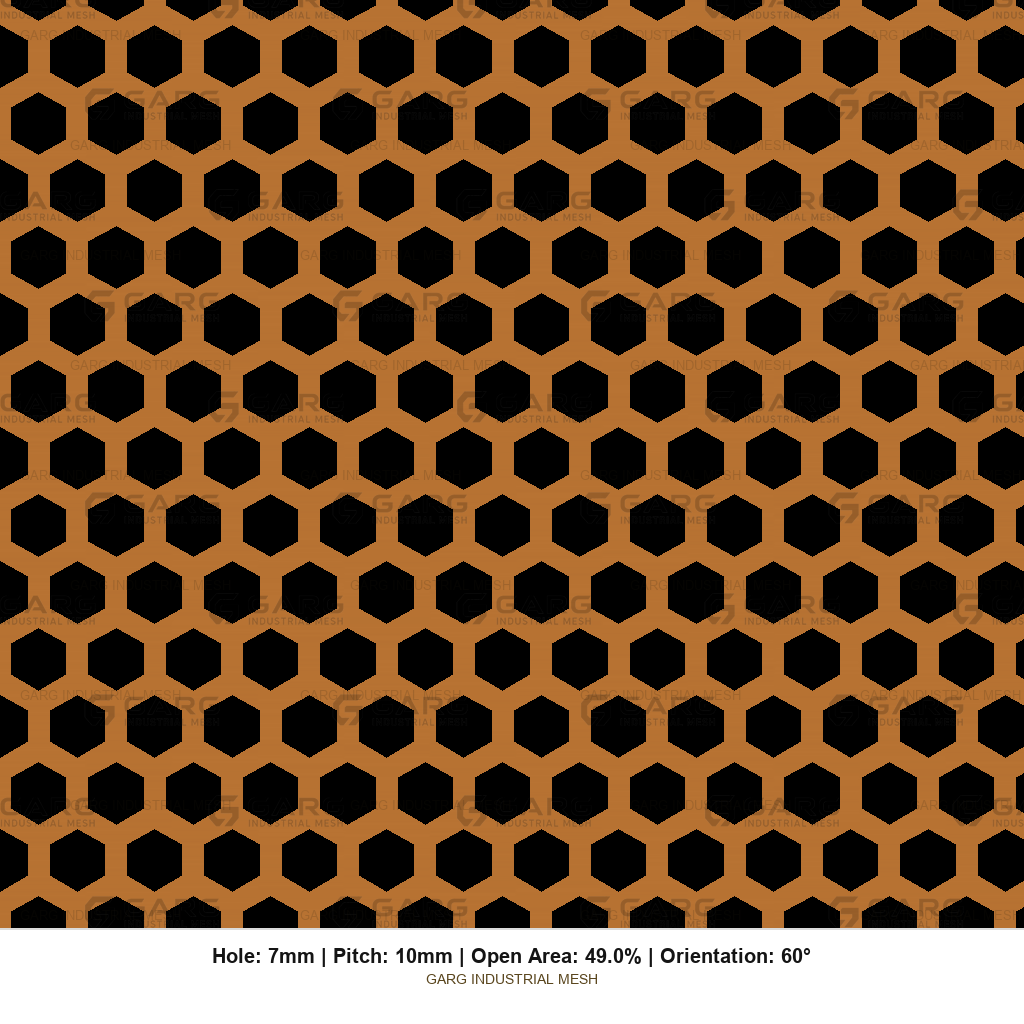
Perforated 26
Hexagonal 60° · 7 / pitch 10 · OA 49%
Material types
- Brass
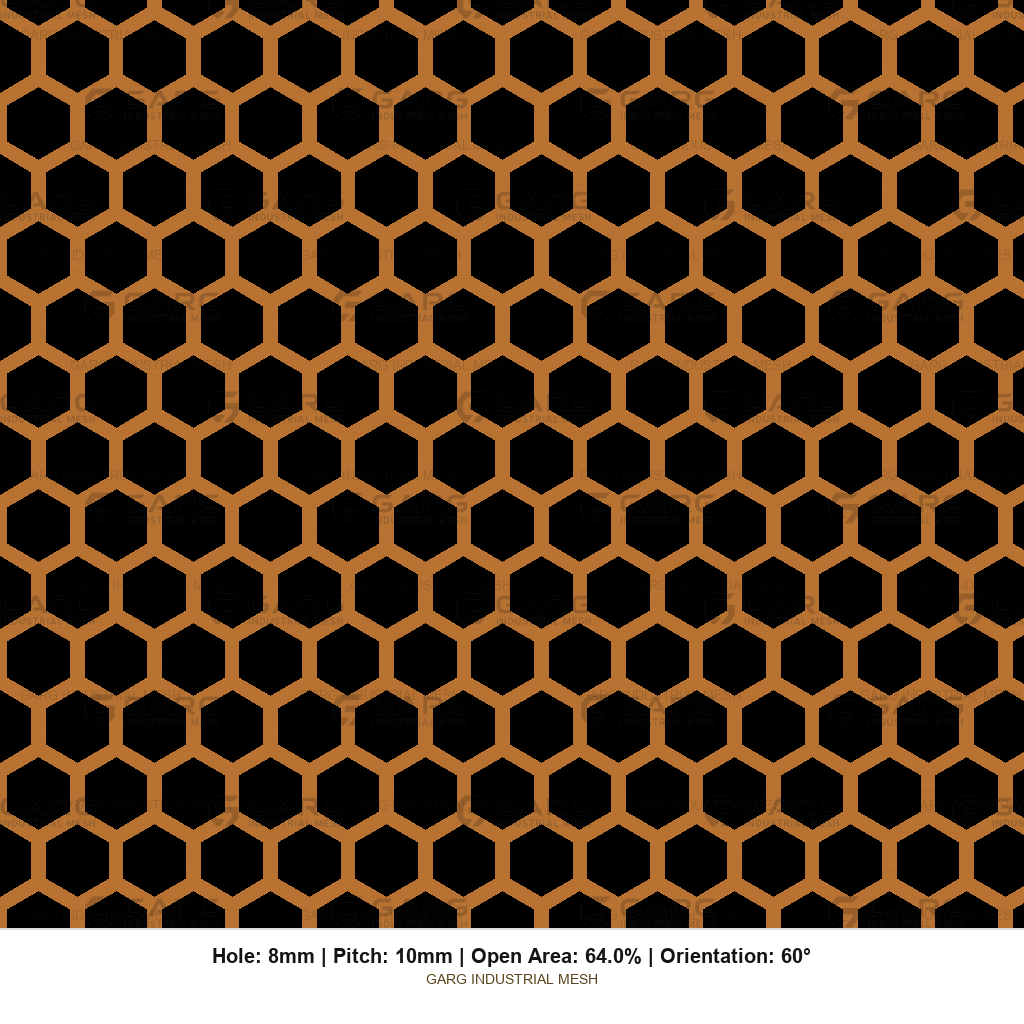
Perforated 27
Hexagonal 60° · 8 / pitch 10 · OA 64%
Material types
- Brass
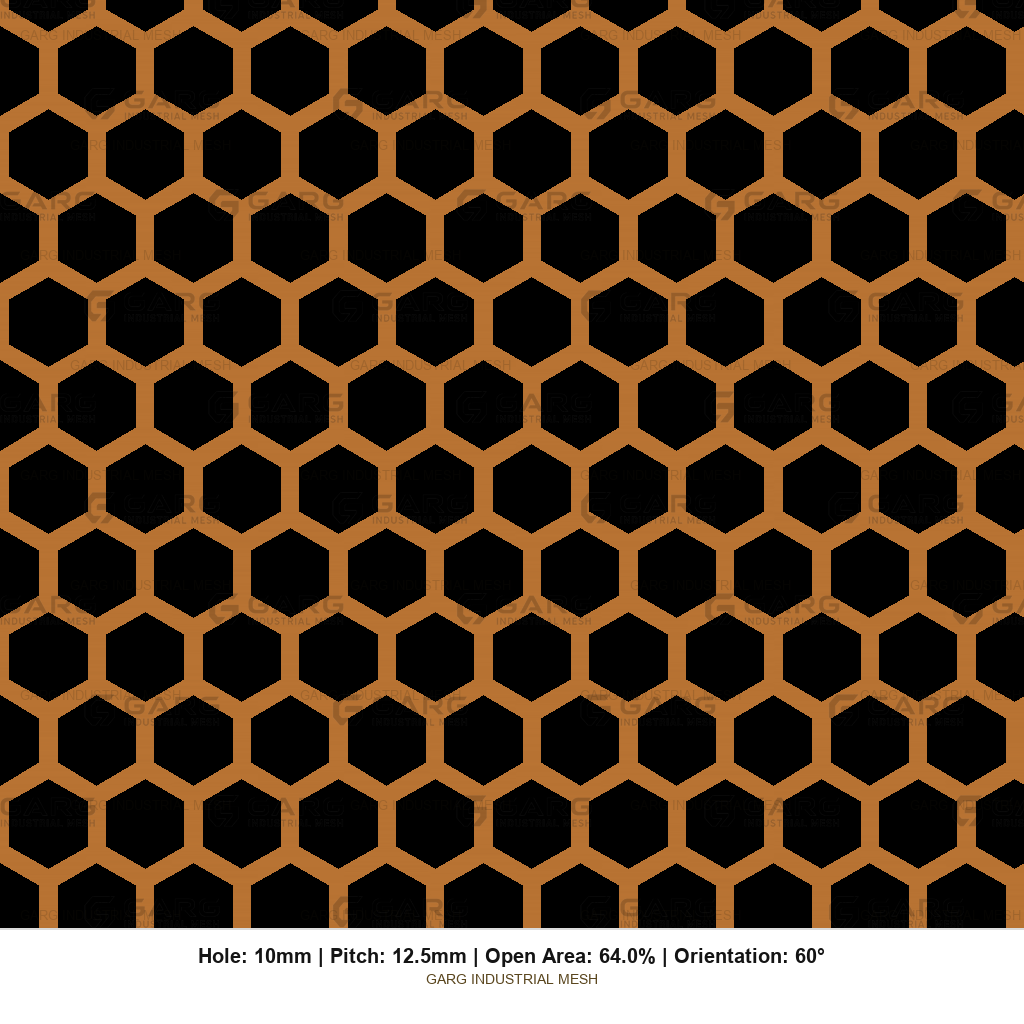
Perforated 28
Hexagonal 60° · 10 / pitch 12.5 · OA 64%
Material types
- Brass
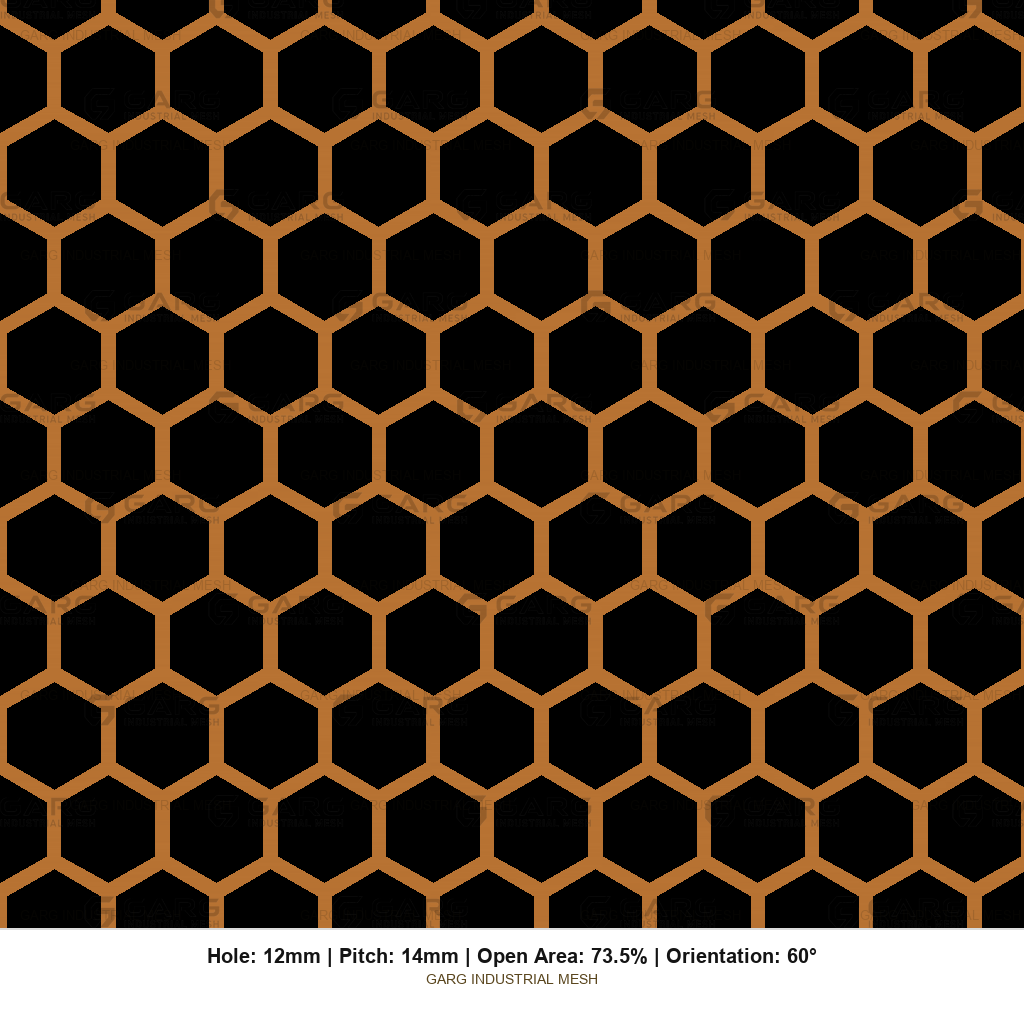
Perforated 29
Hexagonal 60° · 12 / pitch 14 · OA 73.5%
Material types
- Brass
Perforated Sheet — Brass — buying guide
Size charts first, then more buying notes.
Send a complete RFQ once. Missing grade, thickness, size, hole/pitch/orientation, blank edge, qty or end use stalls every quote.
- Material + grade (e.g. MS, GI, SS 304/316, Al 5052, Cu C11000, Brass C26000)
- Temper if it matters (soft / half-hard / hard — or ASTM temper code)
- Thickness in millimetres (not gauge alone)
- Finished sheet size (width × length; note long-edge / feed if it matters)
- Pattern: stock code (e.g. Perforated 02) or hole + pitch + orientation
- Open area target on perforated field — or “confirm from pattern”
- Blank edge 0–100 mm custom (equal or per side); wider on request
- Finish, quantity, packing, and one-sentence end use
- Attach PDF/DWG for custom patterns, cutouts or unequal margins
Hard shop rule for conventional punching: hole size (minimum opening) should be ≥ sheet thickness. Soft metals can sometimes go tighter; hard temper and dense patterns push you back to 1:1 or above. Below 1:1 is a process discussion — not a silent RFQ assumption.
- Thinner stock (~0.3–1.0 mm): grilles, speaker faces, light screens, EMI vents
- Mid band (~0.8–2.0 mm): facade screens, HVAC, framed panels
- Heavier (~1.5–3.0 mm+): guards, load-bearing, abuse-prone sites
- Your span, load and temper decide the number — these bands are guidance only
The blank edge is the solid strip where you clamp, weld, hem, gasket or hide fasteners. Pattern stops inside this margin. Finished cut size should include the blank edge — say so if your drawing shows overall size vs perforated field only.
- 0–100 mm customised on our floor (equal all sides or unequal per drawing)
- Above 100 mm available on request — confirm sheet size and press setup
- Small margins can leave incomplete (breakout) holes at the trim — say if that is OK
- Unequal top/bottom/left/right needs a sketch
Hole size is diameter (round), side (square) or across-flats for hex (say AF vs AP). Pitch is centre-to-centre. Bridge (bar) is metal left between holes ≈ pitch − hole. Open area (OA%) is % hole inside the perforated field only — blank edges excluded.
- Round 60° staggered — denser pack, higher OA for same hole/pitch, common airflow default
- Round 90° / Square 90° — orthogonal rows, easier visual alignment with frames
- Hex 60° — honeycomb look, high open area options in our stock table
- OA% formulas (field only): Round 60° ≈ (D² × 90.69) / P²; Round 90° ≈ (D² × 78.54) / P²
- Custom drawings welcome when thickness and hole size allow tooling
Grade is chemistry. Temper is how hard and springy the blank is. Soft wraps a radius; hard holds a flat panel better and springs back more. Spec both — or we have to guess.
- Soft / annealed — forming, curved wraps, easier punch on dense patterns
- Half-hard — common sweet spot for flat framed screens
- Hard / spring — self-supporting lids and gasket seats; confirm hole vs thickness
- Copper buyers: ASTM B601 codes (O60, H01, H02, H04…) preferred over trade words alone
- Perforated mechanical properties ≠ blank mill cert — do not assume they match
Same press, different jobs. One sentence of end use steers grade, temper, thickness, blank edge, burr side and what “good enough” means.
- Machine guards & site safety — strength, visibility, durable edges
- HVAC grilles & ventilation — OA% drives pressure drop; state field vs full-panel OA
- Facade / decorative screens — visual density + flatness + margin for frame
- Speaker grilles — finish and OA% for the cabinet
- Filtration / strainers — hole size leads; pitch and thickness support it
- EMI / RFI vent panels (copper) — grade + continuous blank land for gaskets matter as much as holes
- Elevator / architectural brass — colour, lacquer and fingerprint expectations
Base-metal standards (e.g. ASTM B152 copper, ASTM B36 brass, commercial MS/GI/SS sheet) cover the unperforated blank — chemistry, temper and mechanical limits. Hole pattern is defined by our stock table or your drawing. Mill certificates typically cover the blank, not finished hole geometry.
- Name the alloy / UNS / grade on the PO — not only the colour of the metal
- Confirm pattern code or hole–pitch–angle separately from the metal standard
- Shielding, acoustic NRC or hygiene claims need your system data — we supply the geometry you specify
Shared language for purchasing, engineering and the press floor.
- Hole (d / w) — opening size; for hex state across-flats (AF) or across-points (AP)
- Pitch (t / p) — centre-to-centre spacing
- Bridge / bar (c) — metal between holes; typically c = pitch − hole
- Open area (OA%) — % open in the perforated field (blank edges out)
- Perforated field — zone that contains holes, inside the margins
- Orientation 60° — staggered rows; 90° — straight / square pitch
- Blank edge / margin — unperforated border for clamp, weld, gasket
- Temper — soft vs hard mechanical condition of the blank